Does website design affect SEO?
Website design plays a much bigger role in online visibility than most business owners realize.
Having a website is no longer optional if you want to be seen as a credible, established business. In today’s online landscape, ranking in search engines depends on more than keywords, blog posts, and meta descriptions.
Many business owners still think SEO (Search Engine Optimization) is purely a word game while overlooking how their website’s structure, layout, and design choices quietly influence search rankings.
Search engines have evolved. They now evaluate websites through a more human-centric lens, where clarity, usability, accessibility, and experience matter more than ever.
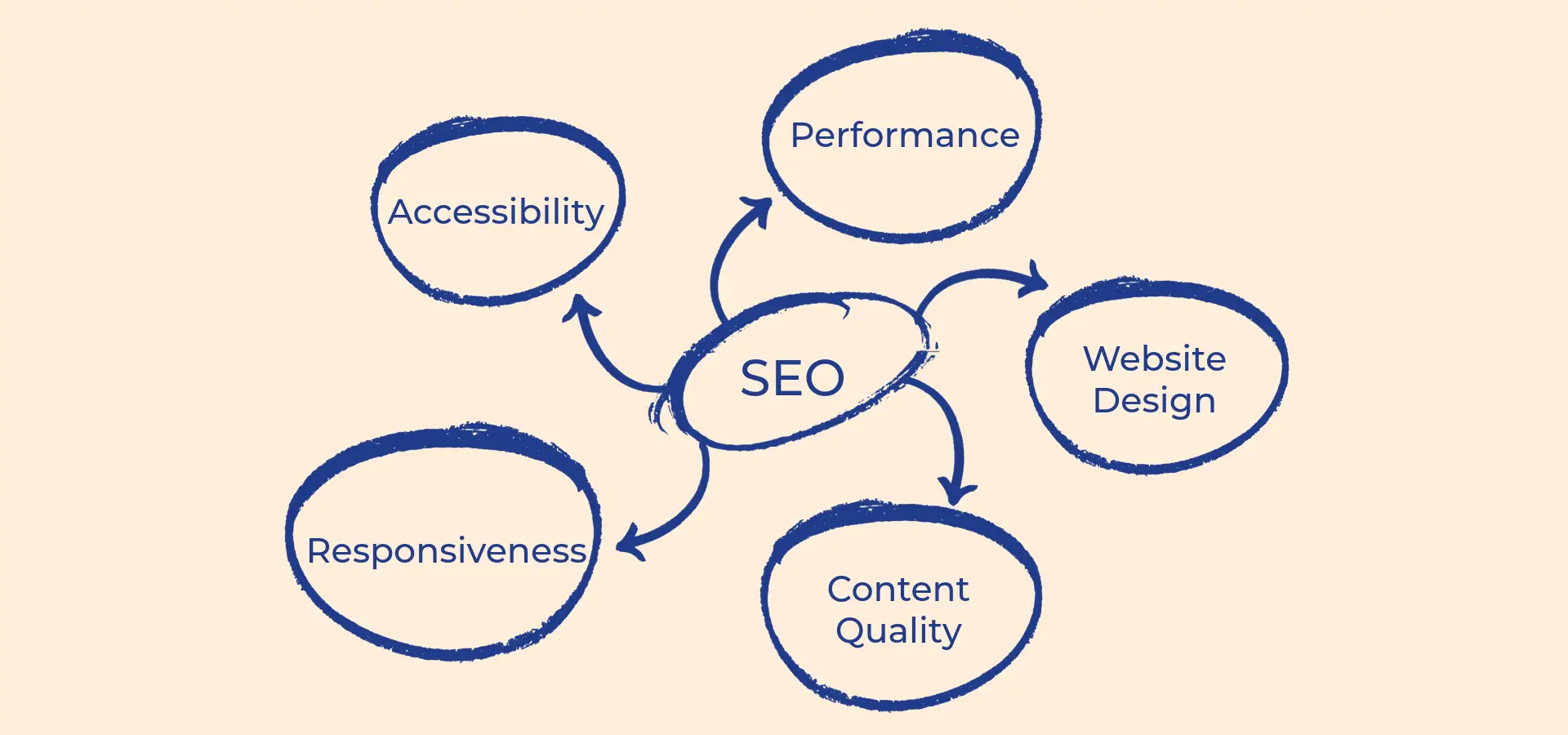
So how exactly is website design linked to SEO and how can the wrong design decisions limit your visibility without you realizing it?
The two different types of SEO
When people talk about SEO, they often treat it as a simple discipline. In reality search engine optimization is built on two complementary pillars: on-page SEO and off-page SEO.
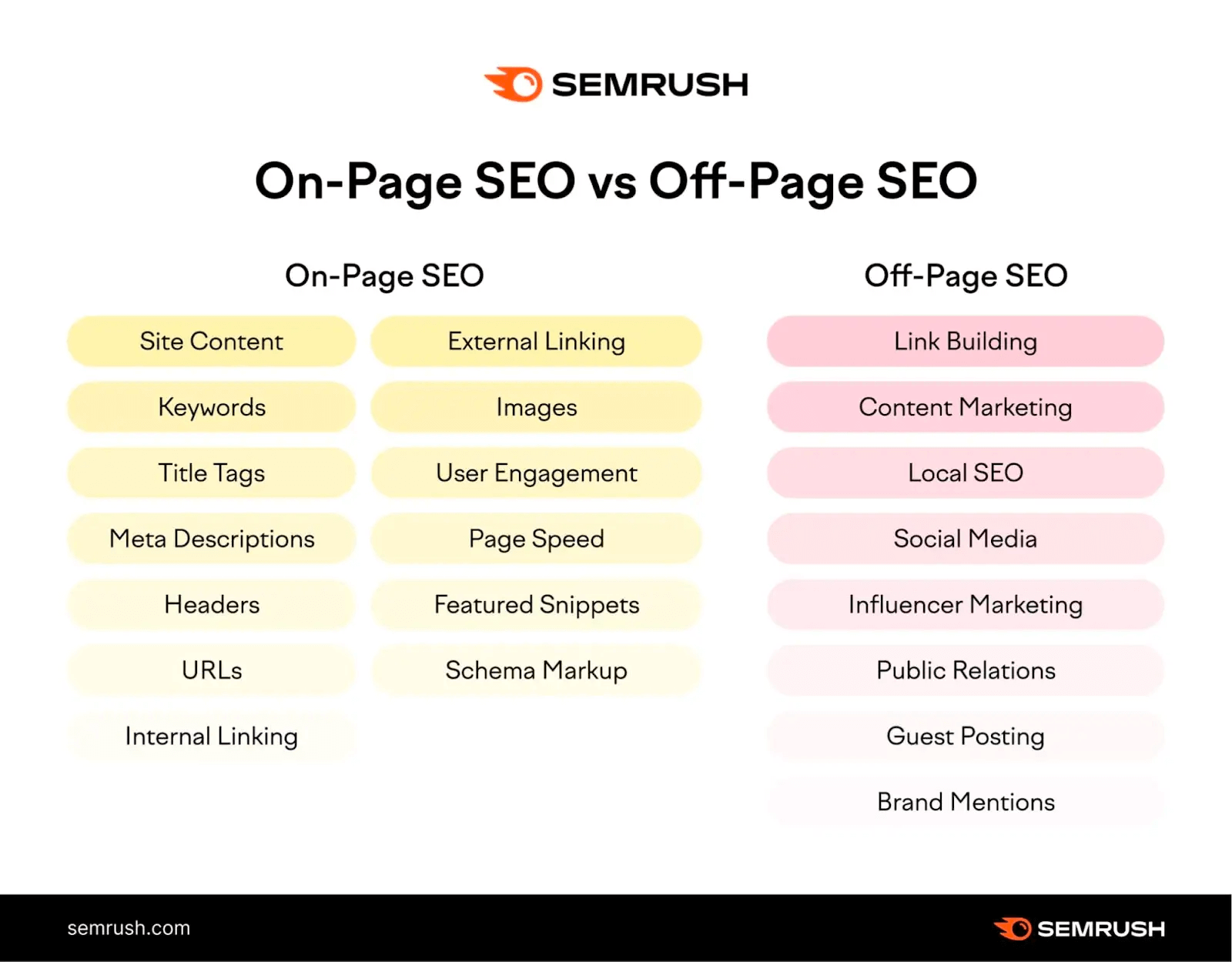
Where does website design fit between those two?
SEO is no longer purely technical
Search Engine Optimization is no longer purely technical. Long gone are the days when repeating the same keyword dozens of times was enough to secure the first position in search results.
Today, our attention spans are shorter, competition is higher and user experience matters more than ever. Search engines have clearly understood the assignment: ranking websites based solely on keyword amounts and relevance is no longer enough.
Modern search engines don’t just crawl content but evaluate the way your website is perceived by humans.
This includes:
- How easily users can read and understand the content
- How intuitive the navigation feels
- How fast and smooth the overall experience is
- How accessible the website is for users of all backgrounds and abilities
Crawling robots now analyze behavioral signals such as time on page, bounce rate, mobile friendliness, compliance with accessibility standards.
THE AUDIT KEY
Want to know how your website is doing?
With the Audit Key, I’ll send you a personalized audit video highlighting the 3 biggest misalignments holding your website back.
How on-page website design factors influence SEO Rankings
Search engines don’t rank websites based on aesthetics alone. They evaluate design elements that shape usability, clarity and performance. Search engines’ goal is simple: make websites that offer the best possible user experience rank higher. To do this, they rely on a series of on-page SEO signals, many directly tied to website design and development decisions.
Below is a non-exhaustive list of design-related on-page SEO factors Google uses to evaluate and rank websites.
Responsive Design & Performance Signals
Mobile devices now dominate web traffic. Google primarily evaluates your mobile version when ranking sites. Attention spans being shorter, performance and speed are crucial to avoid visitors bouncing.
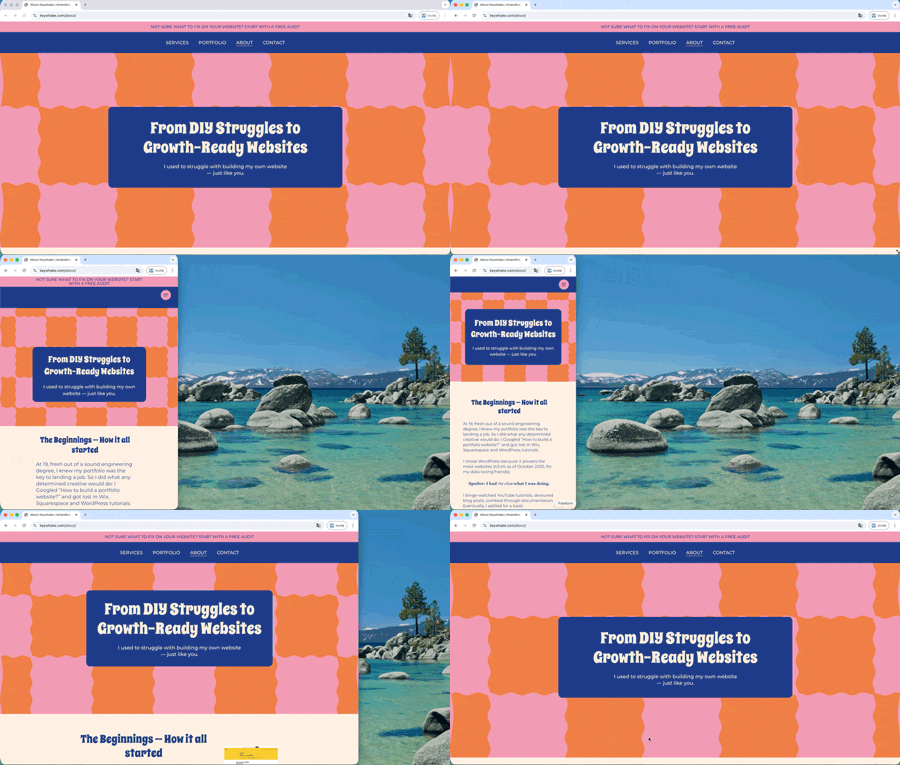
- Mobile Responsiveness: Your website must adapt seamlessly to different screen sizes. Buttons, menus, and content should remain readable and functional.
- Image Optimization & Media Handling: Compress images, use modern formats like WebP, and add descriptive alt text. Optimized media improves speed, accessibility, and even image search visibility.
- Page Speed & Loading Performance: Large images, unoptimized scripts, and heavy plugins can slow your site. Slow-loading pages hurt both user experience and rankings.
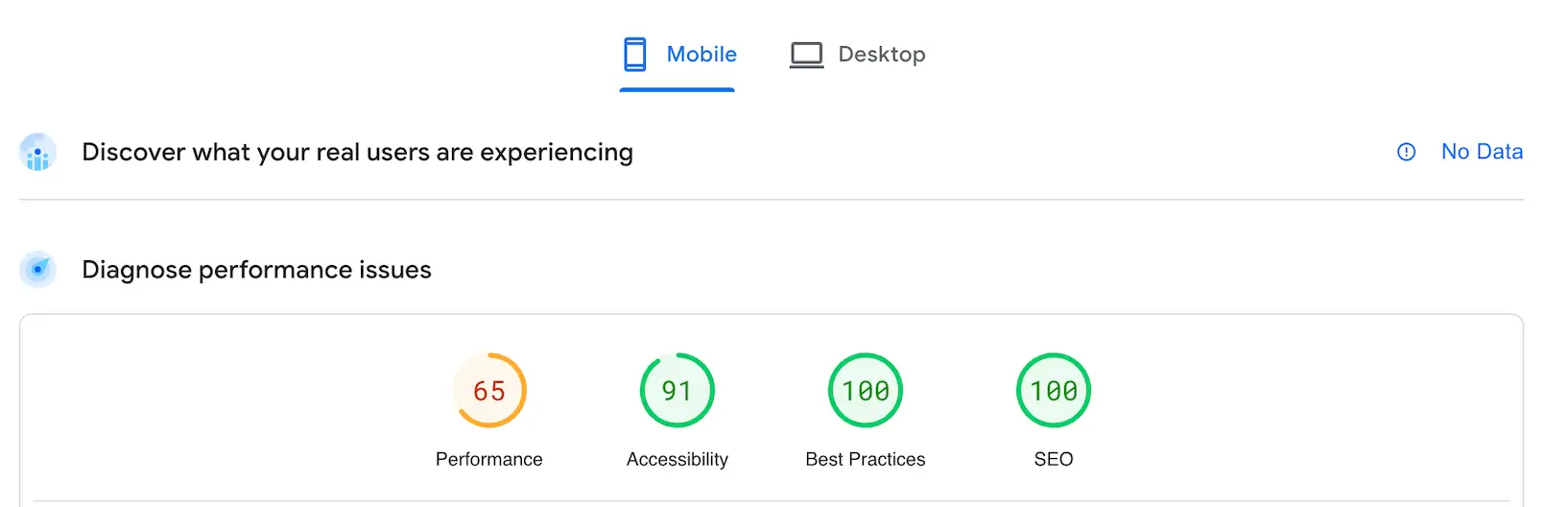
Curious how your site is performing? Run a free check with Google PageSpeed Insights and see where improvements are needed in less than 2 minutes.
Accessibility & Readability
Websites that are easy to read and navigate for all users perform better in search engines. Designing for accessibility and readability helps all users. It’s not just a compliance check, it’s now a more and more determining ranking factor.
- Accessibility & Inclusive Design: Use high color contrast, readable fonts, proper heading hierarchy, and more..
- Text Size & Content Scannability: Short paragraphs, headings, and clear typography make content easy to digest. Well-structured content keeps visitors engaged longer, sending positive signals to Google.
Structure & Hierarchy
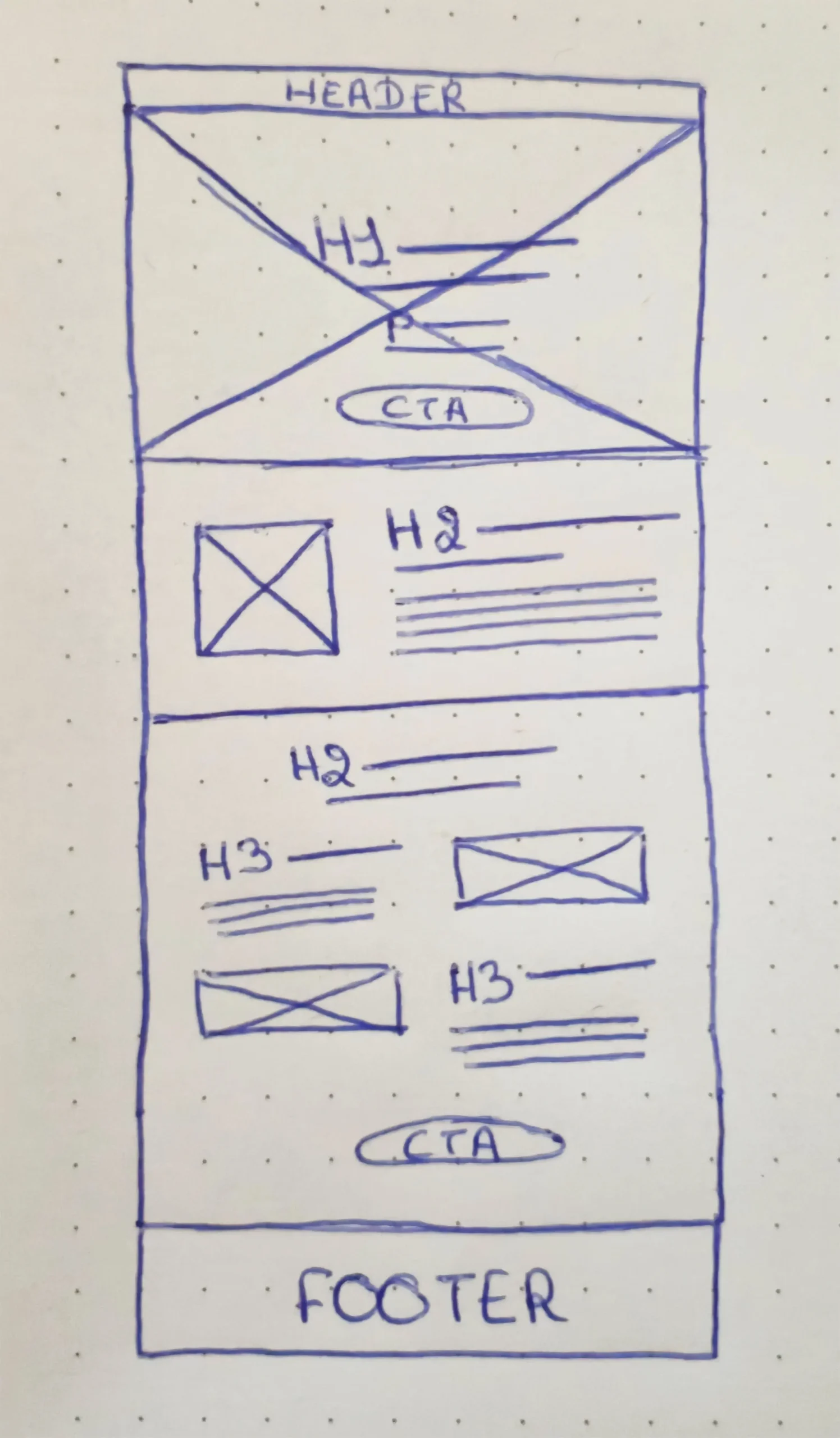
Google relies on structure to understand your content. A well-designed hierarchy guides both humans and search engines through your website. Without a clear structure, even great content can get lost. Design ensures information is presented in a way that both users and search engines can easily follow.
- Visual Hierarchy & Semantic Structure: One clear H1 per page, logically organized H2/H3 headings, and consistent spacing help users and crawlers understand what’s most important.
- Site Structure & Navigation Clarity: Logical menus, internal linking, and intuitive page organization improve crawlability and reduce bounce rates.
Technical Foundation
Behind the visuals and layout lies the code that powers your website. Clean, efficient code is essential for SEO and overall performance. It makes your website fast, stable and fully understandable and indexable by search engines.
- Optimized Plugins & Features: Every added plugin can slow a website or create conflicts. Minimal, purposeful features maintain speed and stability.
- Efficient & Semantic Code: Avoid unnecessary scripts and bloat. Use proper HTML structure to make it easy for search engines to crawl.
Why custom website design makes a difference?
Templates and DIY designs often overlook or combine these factors haphazardly. A custom website design, by contrast, allows every on-page SEO signal to be intentionally addressed:
When design and SEO work together from the ground up, your website doesn’t just look good, it performs, ranks, and builds trust with every visitor.
- Structure, hierarchy, and navigation follow a deliberate strategy.
- Accessibility and readability are built in, not patched later.
- Performance and mobile responsiveness are optimized from the start.
- Code and technical foundations are clean, efficient, and future-proof.
Website design and SEO go hand in hand
Website design and SEO are no longer separate disciplines. The way your site is structured, how fast it loads, how accessible it is, and how intuitive it feels all directly influence how search engines evaluate and rank your pages. Great content can only perform if the design supports it.
If you’re unsure whether your website design is helping or quietly holding your SEO back, the Audit Key removes the guesswork. You’ll receive a personalized video review highlighting the biggest design and SEO misalignments and a clear, actionable path to fix them.
THE AUDIT KEY
Ready to see how your website could be working harder for your business?
Get a personalized video review and a simple actionable checklist so you finally know what to fix without guessing or overwhelming.